A Rental Entryway That Handles Shoes, Bags, and the Daily Exit
A useful entryway makes arriving and leaving less complicated. It does not need a matching bench, mirror, console, and coat rack. Give each frequent item a destination, keep the doorway usable, and choose changes that fit both your lease and the available space.
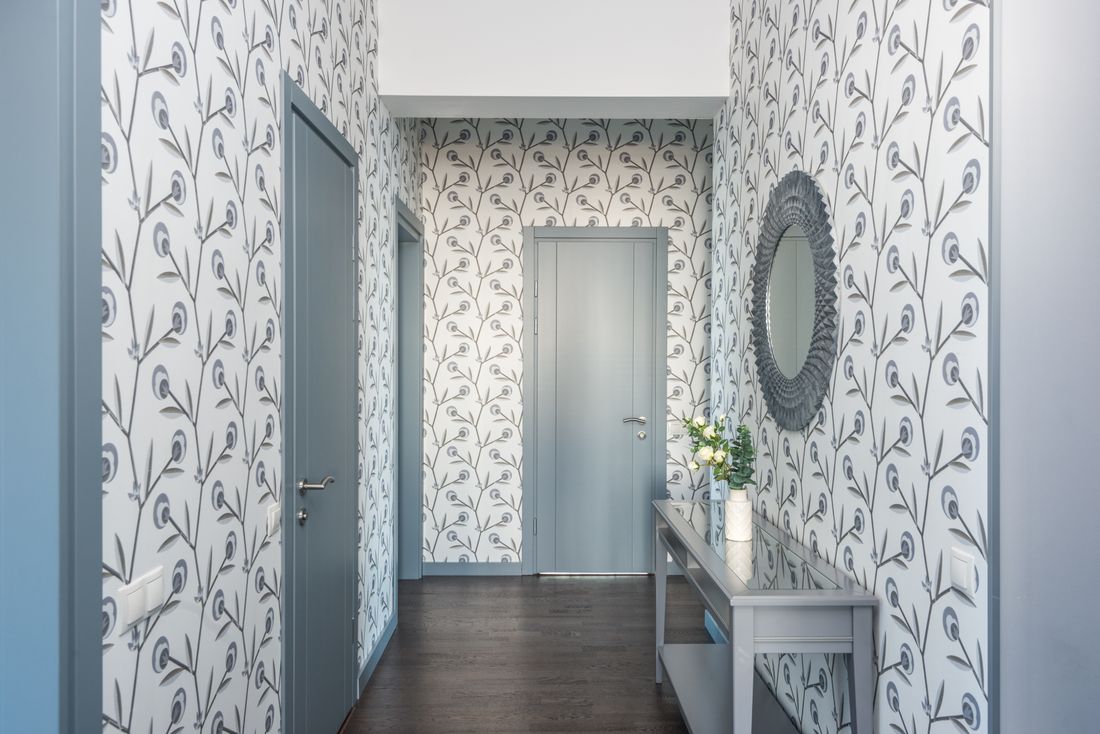
Photo: Max Vakhtbovych · License. Illustrative stock photography.
Observe the arrival routine
For a few days, note what enters the home: shoes, tote bags, mail, work equipment, umbrellas, keys, or children's school items. Distinguish daily belongings from things that merely accumulated near the door. A landing zone should support the items in active use rather than become permanent storage for the entire household. Start with the most common three categories and assign a separate destination to each so one pile does not hide another.
Measure with the door fully open
Measure the wall and the usable floor area with the entry door, closet door, and nearby cabinet open. Include the handles and any closer that projects into the space. A shallow piece may still interfere with the swing. Test the route while carrying groceries or a bag rather than checking only empty-handed. Preserve exits and access to building equipment. Never treat a narrow gap that you can squeeze through as a satisfactory everyday entrance.
Choose the smallest useful landing surface
A small tray on existing furniture may be enough for keys and a transit card. A wall pocket, if permitted and compatible with the surface, can hold a limited quantity of mail. Avoid a deep console whose main function becomes collecting objects that belong elsewhere. Define the capacity: one tray, one current-mail slot, one bag position per regular user. When the space fills, edit its contents instead of adding another container beside it.
Give shoes and wet items separate jobs
Store the pairs currently worn near the door and place occasional shoes elsewhere. A tray can contain ordinary drips, but it needs cleaning and must not create a new trip edge. Let wet belongings dry according to their care needs before enclosing them. If a bench is useful, measure the space needed to sit down and get up as well as its closed footprint. A narrow shoe cabinet is not automatically more practical than an open low shelf.
Use rental-compatible installation choices
Read the lease and get permission where needed before attaching, painting, or changing hardware. Adhesive products have surface, load, curing, installation, and removal requirements that vary by product. They do not guarantee that every paint finish will remain undamaged. Check the current instructions for the exact item rather than relying on a general claim about removable hooks. If the wall is unsuitable, choose a stable freestanding option designed for its intended use.
Create a short closing routine
Sort incoming paper before it becomes a stack: action, file, or recycle. Return bags to their places, move surplus shoes, and check the outgoing items for tomorrow. Keep private documents away from a location visible to visitors. The weekly review should take a small amount of effort because the landing zone has a defined capacity. If it repeatedly overflows, adjust the categories or their locations instead of expecting more self-discipline to fix an impractical arrangement.
Your working checklist
Checkmarks stay in this browser when storage is available. They do not submit a form or complete a booking.
Put it into practice
- Record the items that land near the door for three ordinary days. Select only the frequent categories and move stored or forgotten belongings to their appropriate rooms before planning new storage.
- Mark the maximum furniture footprint with cardboard. Open every nearby door and walk the route carrying a realistic bag. Reject arrangements that narrow essential access or interfere with door movement.
- Set up a basic key tray, current-shoe location, and bag destination using suitable items you already own. Add hooks only after checking the lease, surface condition, and exact installation instructions.
- Review the zone after a week. Remove categories that do not belong at the entrance, label shared spaces if useful, and decide a repeatable moment for sorting paper and preparing outgoing belongings.
Before you finish
- Entry door opens fully
- Route stays clear
- Daily shoes have a limit
- Wet items can dry
- Wall changes are permitted
- Private mail is protected
Common questions
Does a rental entryway need wall hooks?
No. A stable freestanding rack, a closet, or an existing cabinet can work. Choose the storage around the room and lease instead of assuming that a row of hooks is essential.
Are removable hooks always damage-free?
No blanket guarantee is appropriate. Suitability depends on the product, paint, surface condition, load, and correct removal. Read the exact instructions and discuss uncertain surfaces with the property owner before installation.
What if there is no separate entry hall?
Use one compact landing zone close to the door without obstructing it. A small tray and a limited shoe location can be enough; the rest of the belongings can live in nearby storage.